Kerameikos is an extensive archaeological site located northwest of the Acropolis, historically serving as the primary burial ground of ancient Athens. The site takes its name from the potters (kerameis) who inhabited the area and made ceramics here, which eventually gave us the word 'ceramic'. It encompasses both a large, well-preserved cemetery and sections of the Themistoclean Walls, which once defended the city.
The Kerameikos area is bisected by the Eridanos River, which played a significant role in the daily life and funerary rituals of the ancient Athenians. Key features include the Dipylon Gate and the Sacred Gate, two of the most important entrances to ancient Athens. The Street of Tombs, lined with impressive funerary monuments and sculptures, offers a poignant glimpse into the social and artistic practices of the period.
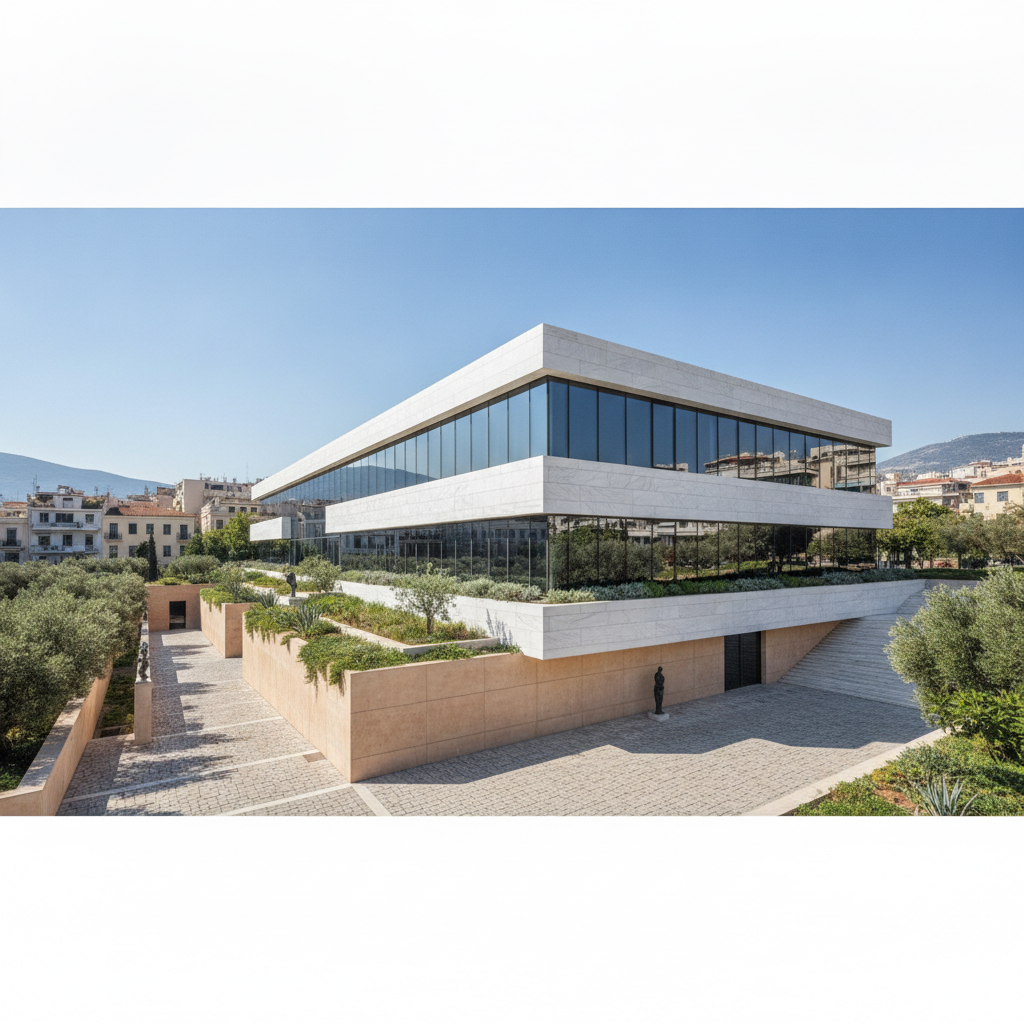
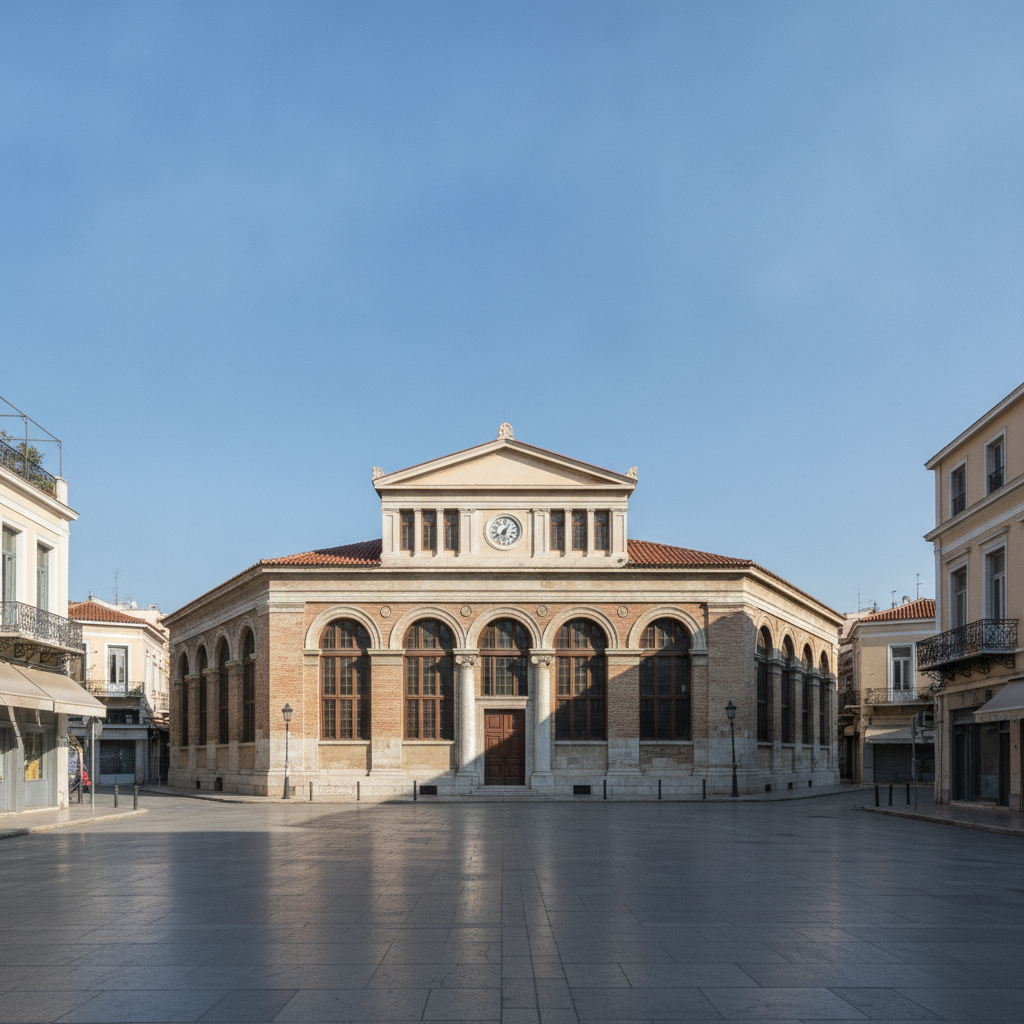
The archaeological museum at Kerameikos houses a remarkable collection of artifacts found on-site, including pottery, sculptures, and funerary stelai, providing valuable insights into the lives and beliefs of the people buried here. Visitors can explore the remnants of workshops, public buildings, and an extensive network of graves, ranging from simple burials to elaborate family plots, illustrating the evolution of Athenian funerary customs over centuries.
Today, Kerameikos stands as a peaceful and contemplative site amidst the hustle and bustle of modern Athens. It offers a unique opportunity to wander through history, reflecting on the ancient city's relationship with death, memory, and monumental art, and understanding its strategic significance as both a gateway and a final resting place.