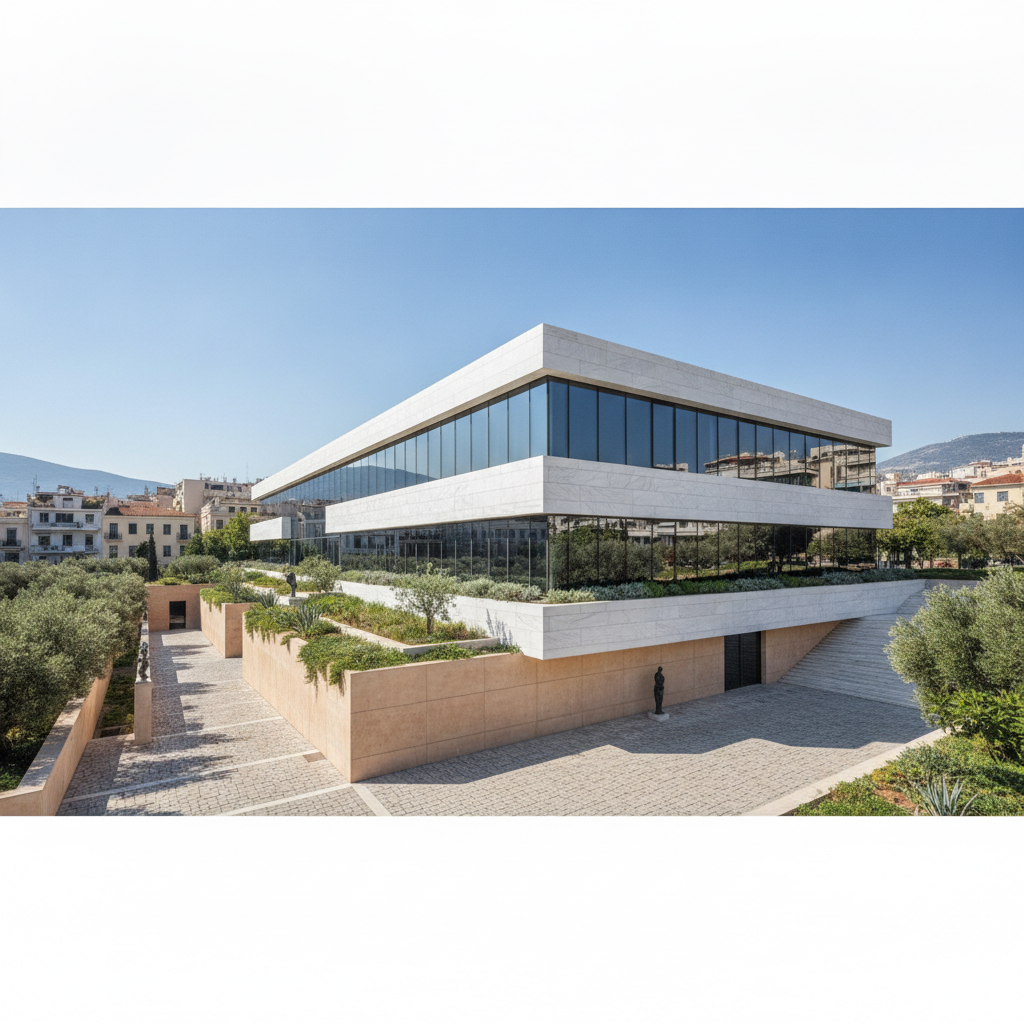
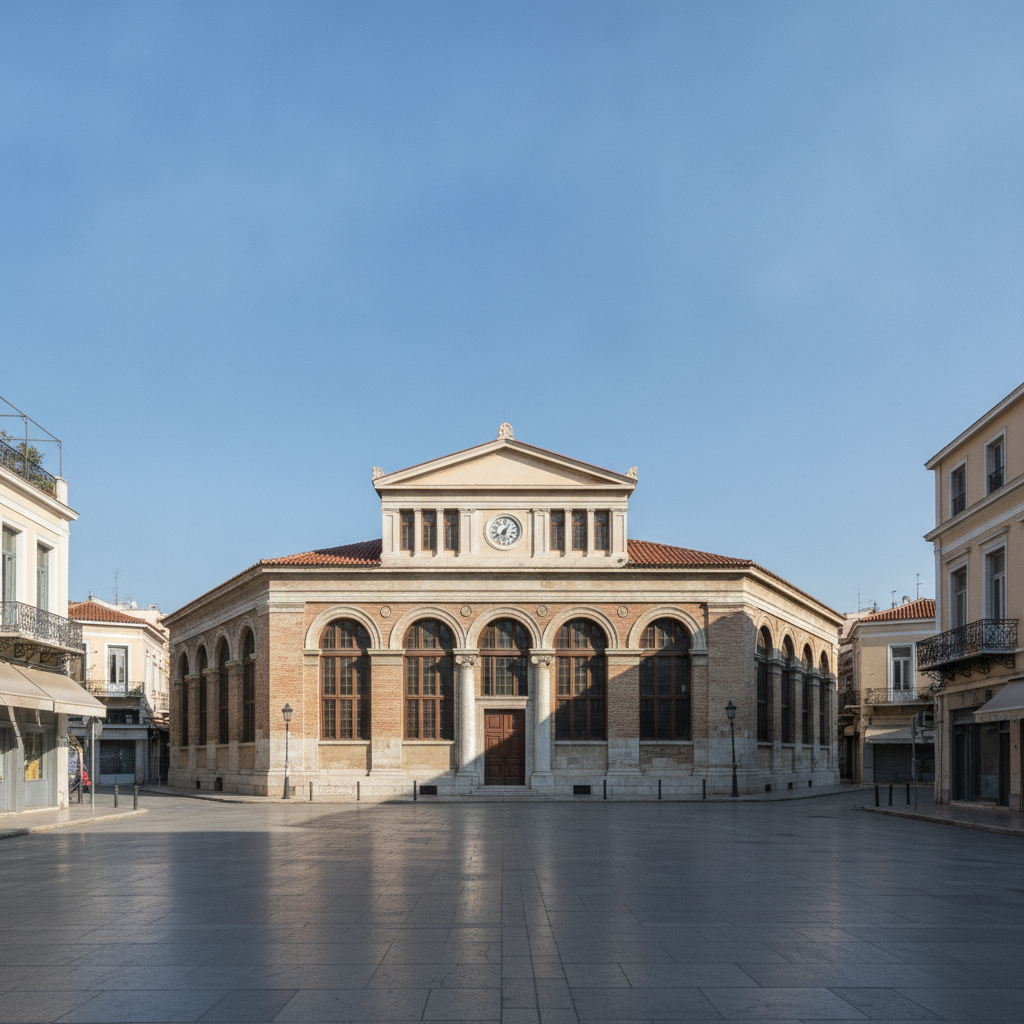
The Agora Museum, housed in the beautifully reconstructed Stoa of Attalos, offers a fascinating journey through the history of ancient Athenian democracy. The Stoa itself is a significant architectural marvel, originally built around 159-138 BC by King Attalos II of Pergamon and meticulously rebuilt in the 1950s by the American School of Classical Studies.
The museum exhibits a wealth of artifacts unearthed from the Ancient Agora, the heart of public life in classical Athens. These displays range from everyday objects like pottery, tools, and jewelry to more significant items such as sculptures, inscriptions, and voting tokens. They provide invaluable insights into the political, social, and economic life of ancient Athens.
Visitors can explore the two floors of the Stoa, with exhibits thoughtfully arranged to tell the story of the Agora's evolution from prehistoric times through the Roman period. Key highlights include the 클레르테이론 (kleroterion), an allotment machine used to select jurors randomly, and numerous busts of prominent figures. The open-air setting of the Stoa also allows for beautiful views of the ancient site itself, bridging the gap between the indoor exhibits and the historical landscape.
Beyond individual artifacts, the museum helps to contextualize the concept of Athenian democracy, showcasing the very tools and spaces where citizens debated laws, dispensed justice, and participated in their government. It's an essential stop for anyone interested in understanding the foundations of Western legal and political thought.