
Overview
Rome is a city of immense historical significance, having been the center of the Roman Empire and a foundational city for Western civilization. Its layers of history are evident in the well-preserved ancient ruins, grand Renaissance architecture, and baroque fountains. Beyond its historical treasures, Rome pulsates with contemporary life, offering bustling markets, charming trattorias, and a lively atmosphere. Visitors can explore iconic landmarks, indulge in world-class cuisine, and experience the unique blend of ancient and modern that defines this captivating city.
AI summary
Rome is best known for its ancient Roman ruins, Vatican City, Renaissance art, and iconic pasta dishes like carbonara.
Top places to visit

Roman Forum
The center of ancient Roman public life, featuring impressive ruins of government buildings, temples, and markets.

Palatine Hill
The most central of the Seven Hills of Rome, offering stunning views of the Roman Forum and Circus Maximus, home to imperial palaces.
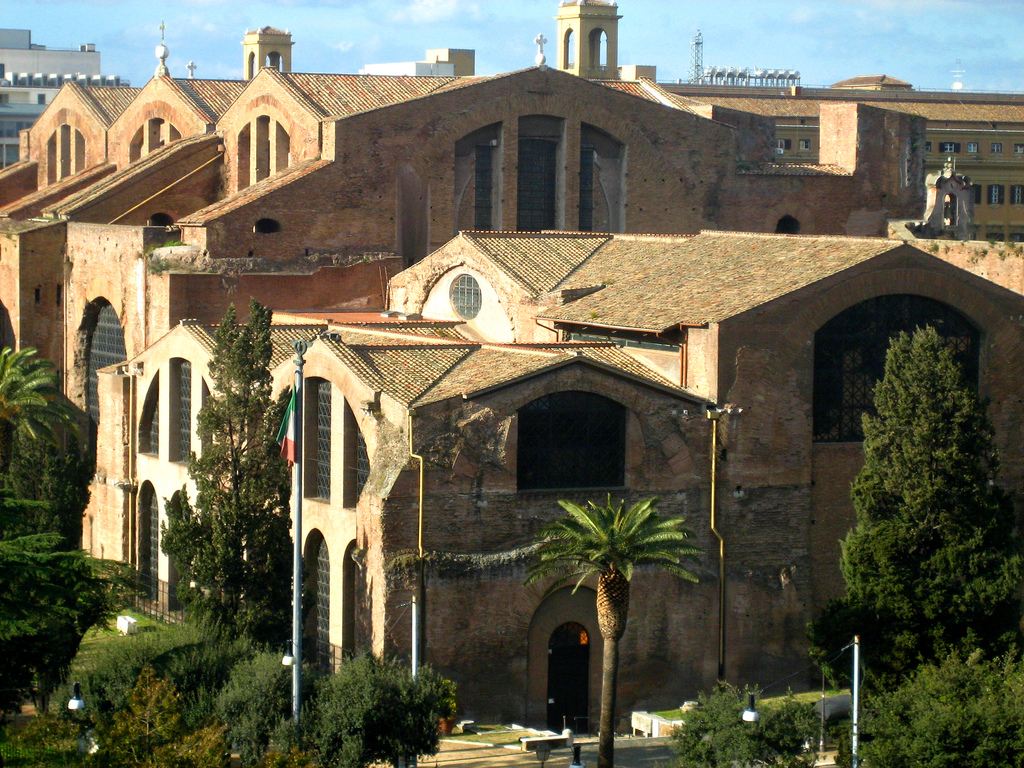
Baths of Diocletian
The largest thermal bath complex of ancient Rome, now part of the National Roman Museum, preserving impressive ruins.

Domus Aurea
Discover Emperor Nero's opulent and sprawling palace, now mostly underground, offering a unique archaeological experience with multimedia tours.

Borghese Gallery and Museum
A spectacular art museum housed in a former villa, showcasing masterpieces by Bernini, Caravaggio, and Canova.

Sistine Chapel
Iconic chapel within the Vatican Museums, famous for its awe-inspiring frescoes by Michelangelo, including the ceiling and 'The Last Judgment.'

Galleria Doria Pamphilj
A private museum in a stunning palace, displaying an extensive collection of art by Caravaggio, Velázquez, and Bernini.

Pantheon
A marvel of ancient Roman architecture, originally a temple to all gods, now a church and tomb.

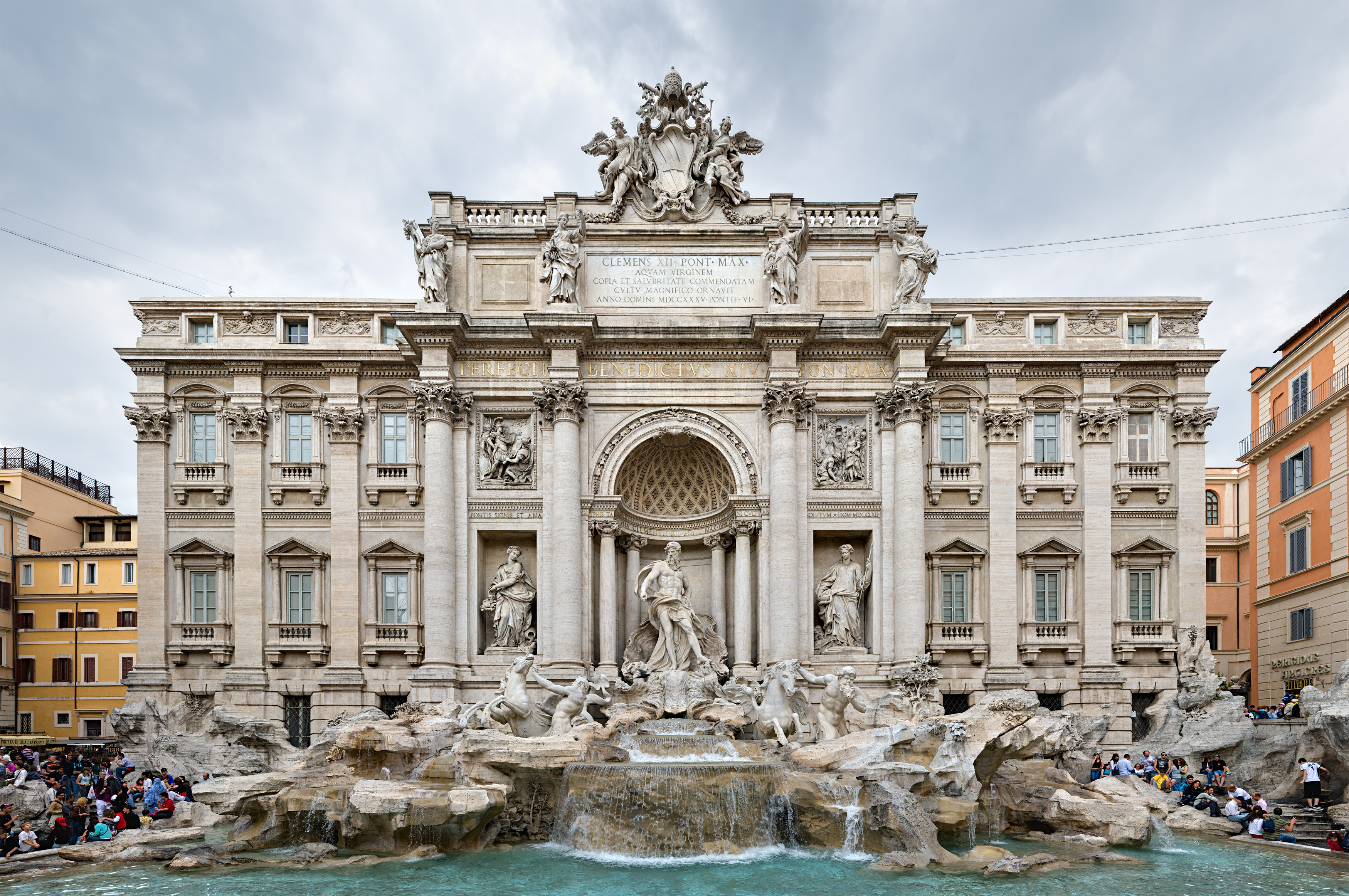
Trevi Fountain
The largest Baroque fountain in Rome and one of the most famous in the world, renowned for its intricate sculptures and tradition of coin tossing.

Vatican Museums
Home to an immense collection of art and artifacts amassed by popes over centuries, including the Sistine Chapel.

Circus Maximus
An ancient Roman chariot-racing stadium and mass entertainment venue, now a large public park and event space.

St. Peter's Basilica
The largest church in the world, a masterpiece of Renaissance architecture and an important pilgrimage site.
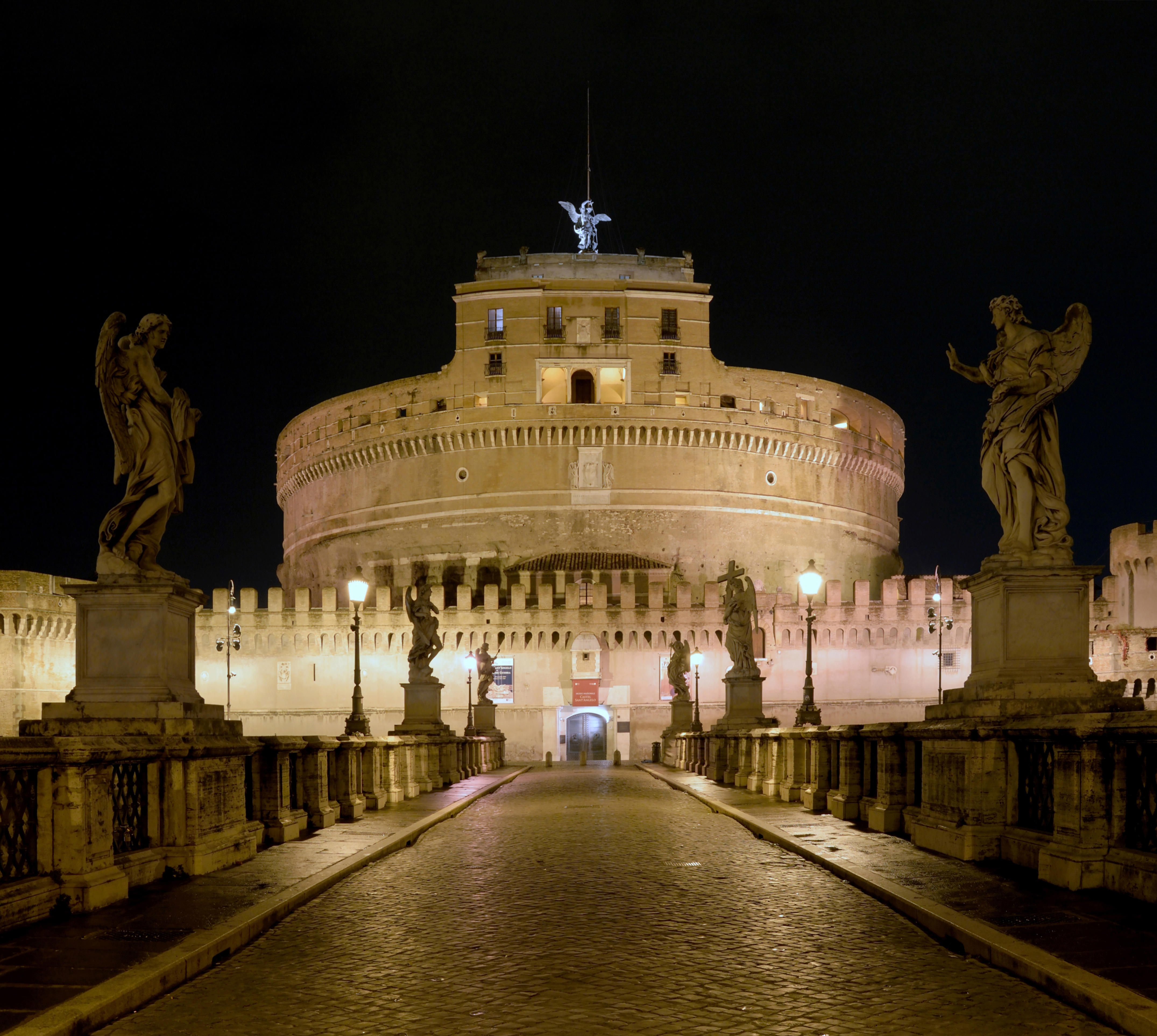
Castel Sant'Angelo
A towering cylindrical building originally Hadrian's mausoleum, later a papal fortress and now a museum.
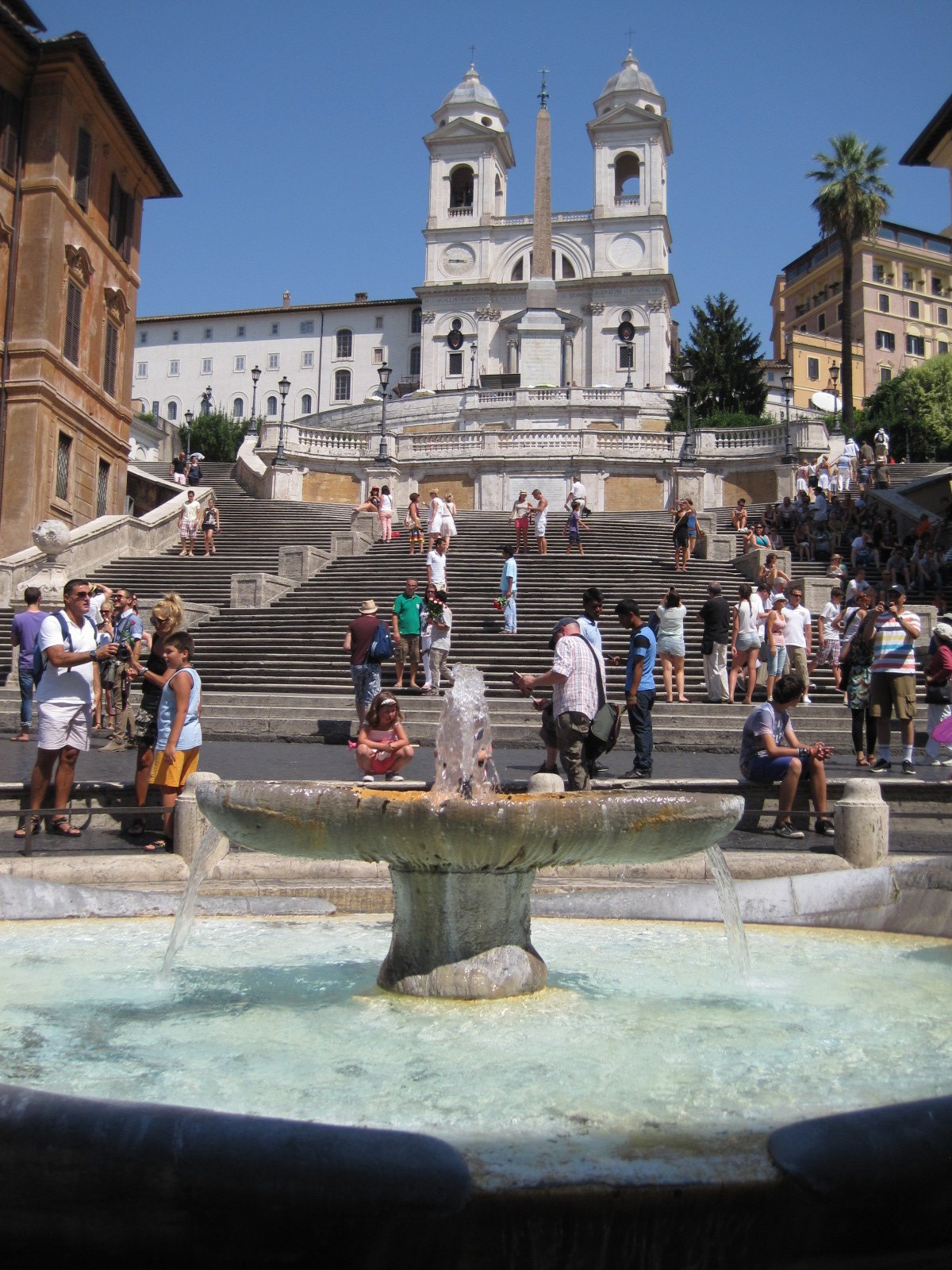
Spanish Steps
A monumental staircase connecting the Piazza di Spagna with the Trinità dei Monti church, popular for people-watching.

Piazza Navona
A beautiful Baroque piazza built on the site of Domitian's stadium, featuring Bernini's Fountain of Four Rivers.

Capitoline Museums
Considered the first public museum in the world, housing significant ancient Roman and Renaissance artworks.

Trastevere
A charming, bohemian neighborhood known for its narrow cobblestone streets, traditional Roman trattorias, and vibrant nightlife.
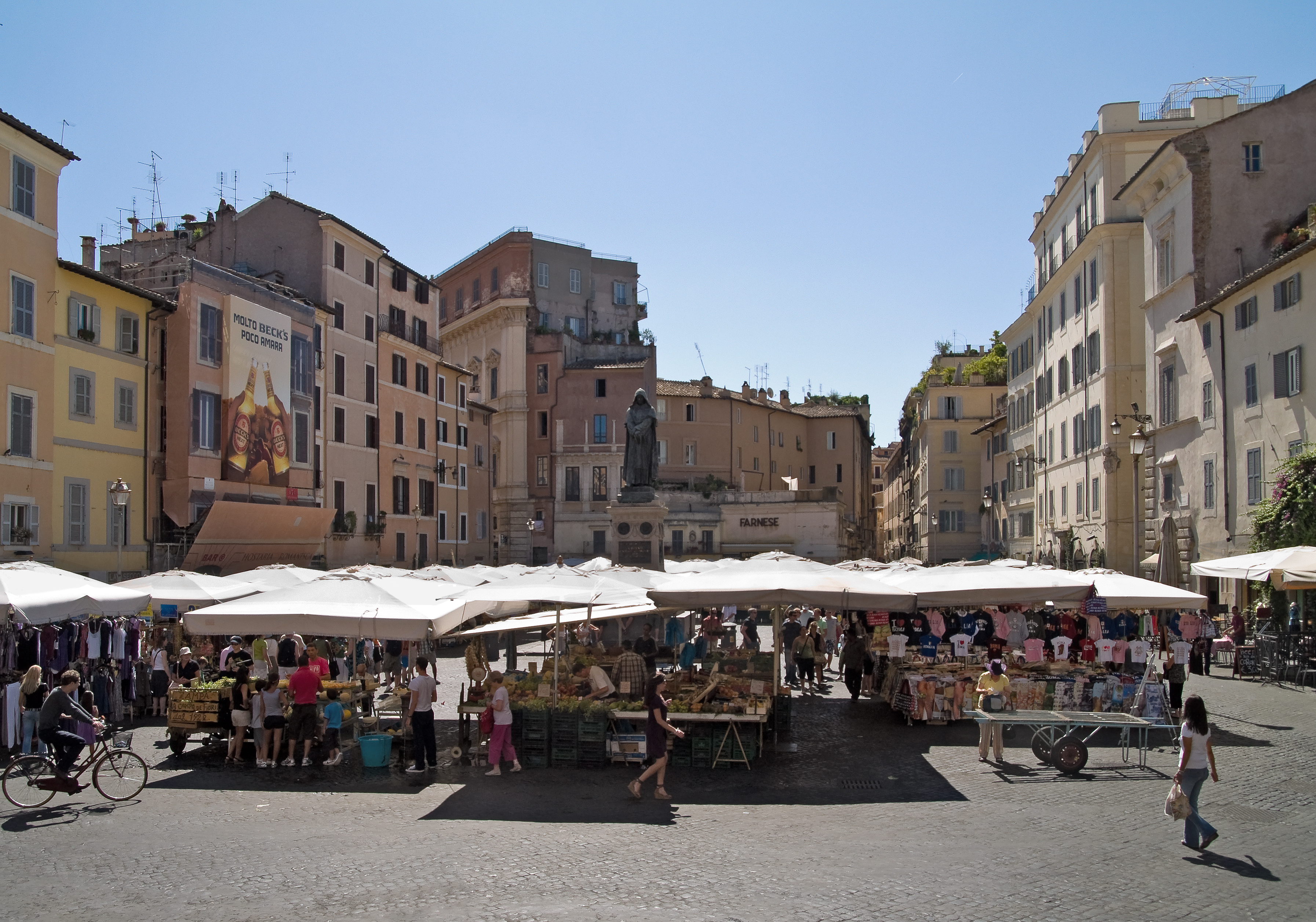
Campo de' Fiori
A bustling public square that hosts a daily market, surrounded by restaurants and bars, becoming a lively nightlife spot.

Villa Borghese Gardens
One of Rome's largest public parks, offering beautiful gardens, walking paths, a lake, and various attractions including the Borghese Gallery.

Baths of Caracalla
Massive ruins of ancient Roman public baths, once a luxurious complex with pools, libraries, and gardens.

National Roman Museum - Palazzo Massimo alle Terme
Houses an incredible collection of ancient Roman art, including frescoes, mosaics, sculptures, and jewelry.

Appian Way Regional Park
Explore an ancient Roman road, tombs, and catacombs in a vast archaeological park, perfect for walking and cycling.

Catacombs of Callixtus
Explore an ancient underground burial site for early Christians, including popes and martyrs, on the historic Appian Way.

National Gallery of Ancient Art in Palazzo Barberini
Housed in a magnificent Baroque palace, this museum features significant works by Raphael, Caravaggio, and Holbein among others.

Museo Nazionale Romano - Palazzo Massimo alle Terme
Home to an extensive collection of ancient Roman art, including exquisite frescoes, mosaics, sculptures, and jewelry.

Santa Maria Maggiore
One of Rome's four papal basilicas, known for its stunning mosaics, ancient columns, and rich history dating back to the 5th century.

Bocca della Verità
A large marble mask believed to bite the hands of liars, located in the portico of the Santa Maria in Cosmedin church.

Ara Pacis Museum
A modern building housing the ancient Altar of Augustan Peace, showcasing Roman imperial art and architecture.

Piazza del Popolo
A grand urban square featuring an Egyptian obelisk, twin churches, and fountains, marking a historic northern entrance to Rome.
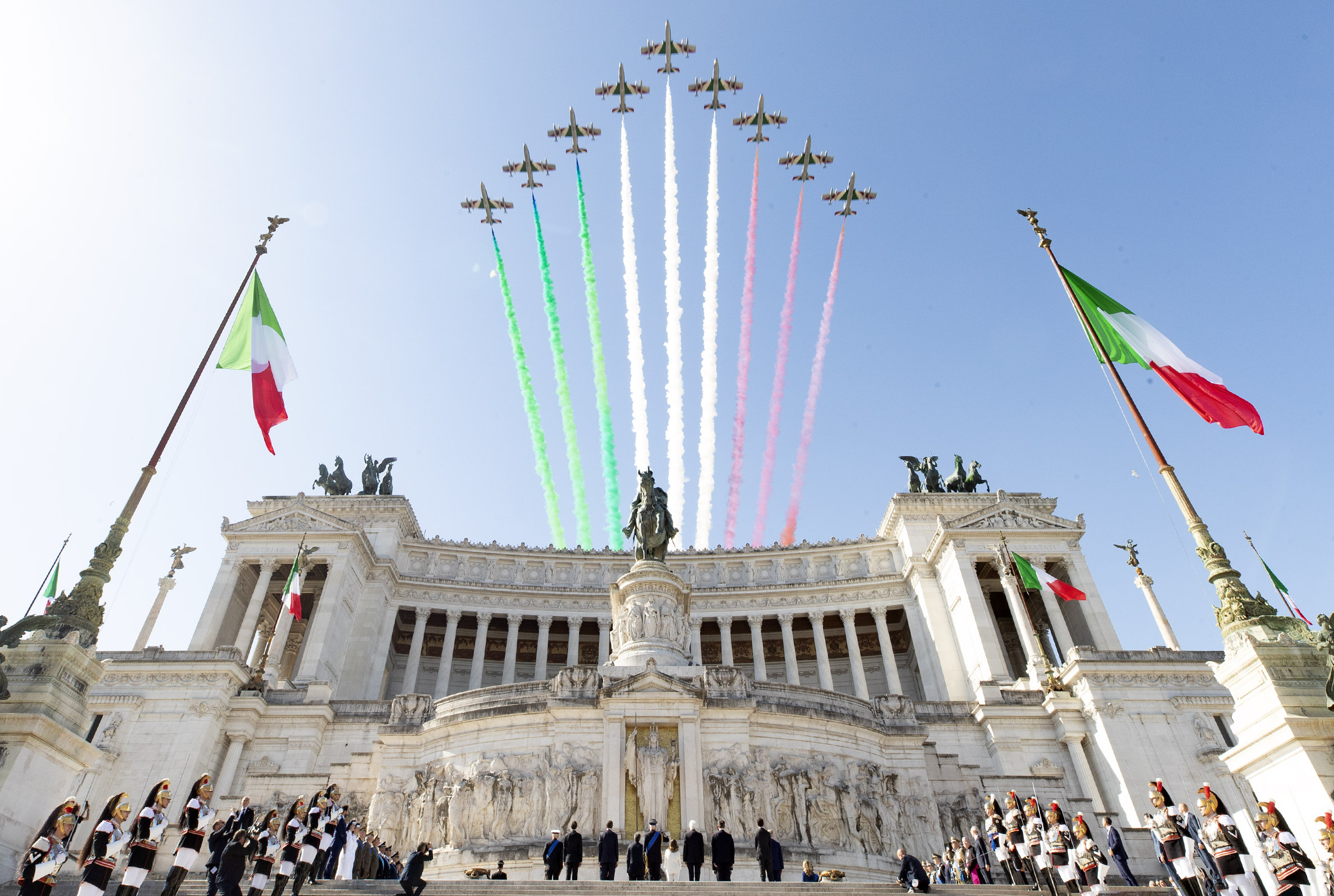
Vittoriano (Altare della Patria)
A massive national monument dedicated to Victor Emmanuel II, offering panoramic views of Rome from its rooftop terrace.

National Etruscan Museum of Villa Giulia
Houses artifacts from the Etruscan and Faliscan civilizations, set in a beautiful Renaissance villa.

Galleria Spada
A small Baroque art gallery known for Borromini's forced perspective gallery, creating an illusion of great depth.

Mercati di Traiano - Museo dei Fori Imperiali
An ancient Roman complex representing the world's first shopping mall, now housing a museum dedicated to the Imperial Fora.

Grotte Vaticane (Vatican Grottoes)
Explore the underground burial site for popes, including St. Peter, located beneath the magnificent St. Peter's Basilica.

St. Peter's Square
A grand plaza in Vatican City, famed for its monumental scale, Bernini's colonnades, and as a gathering place for significant religious events.

Lateran Basilica (Basilica di San Giovanni in Laterano)
Rome's cathedral and the oldest and highest-ranking of the four papal major basilicas, boasting a rich history and impressive architecture.

National Gallery of Ancient Art in Palazzo Corsini
Housed in a magnificent Baroque palace, this gallery features a superb collection of Italian and European paintings from the Renaissance to the 18th century.
Museo Nazionale Romano, Crypta Balbi
An archaeological museum built around the remains of the ancient Theatre of Balbus, illustrating the urban evolution of Rome through millennia.
Centrale Montemartini
A unique museum contrasting classical sculptures with industrial archaeology within a repurposed early 20th-century power plant, offering a striking display.
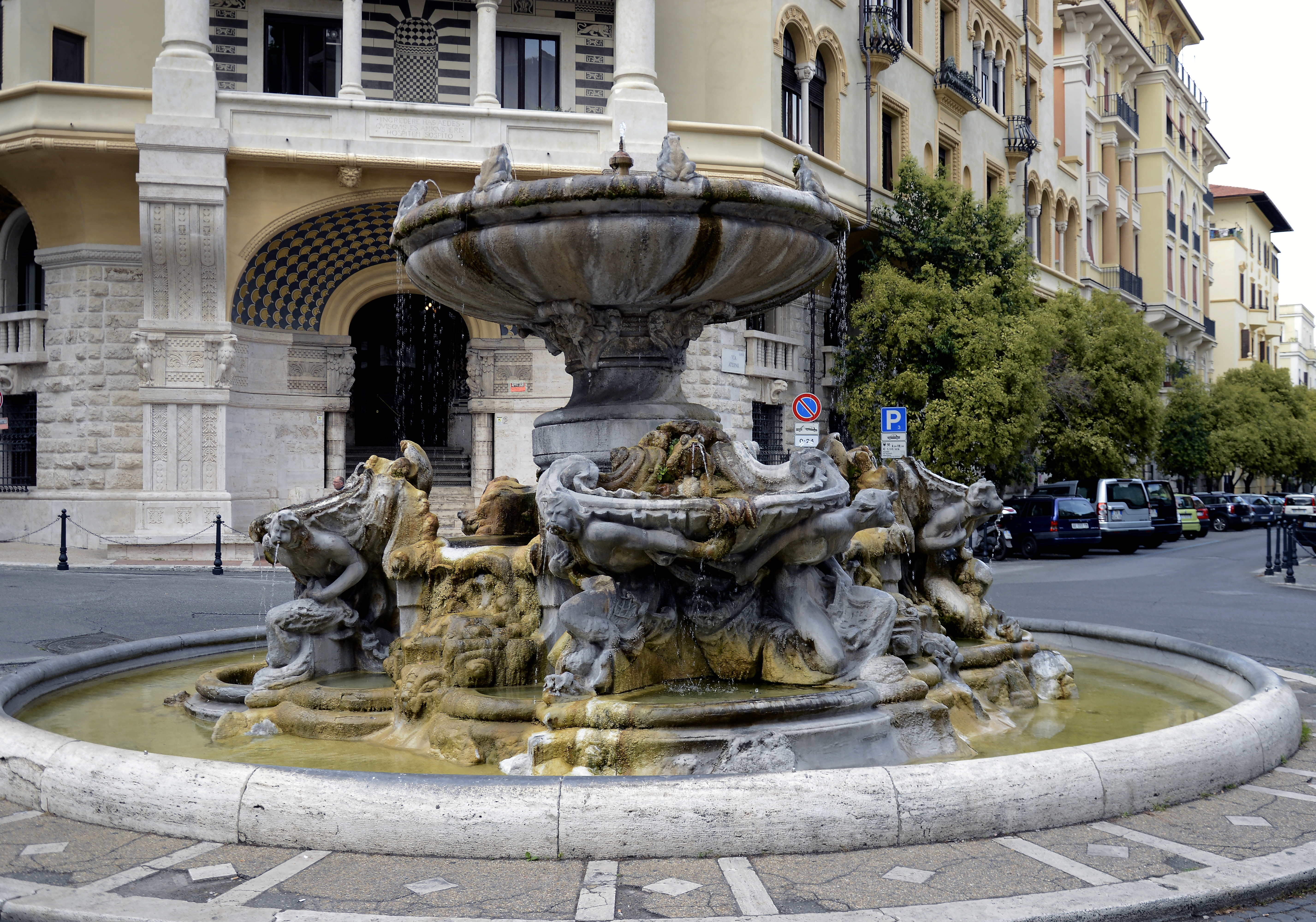
Quartiere Coppedè
A whimsical and unique architectural complex, showcasing a fascinating blend of Art Nouveau, Baroque, and Medieval styles, a hidden gem in Rome.
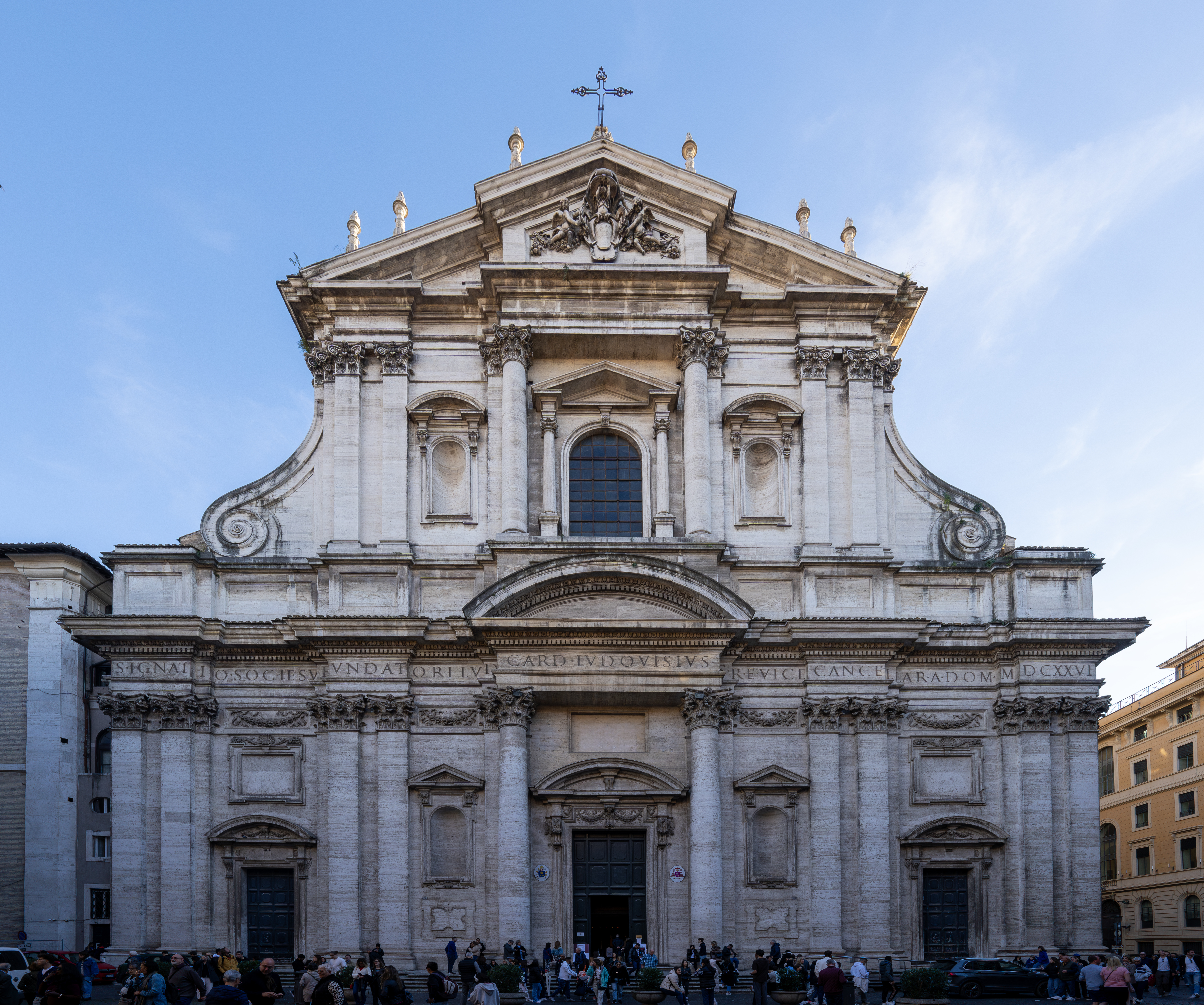
Church of Sant'Ignazio di Loyola
Famous for its stunning trompe l'oeil ceiling frescoes by Andrea Pozzo, creating an illusion of a false dome and immense space.

Santa Maria della Vittoria
Home to Gian Lorenzo Bernini's masterpiece 'Ecstasy of Saint Teresa,' a dramatic and emotionally charged Baroque sculpture.
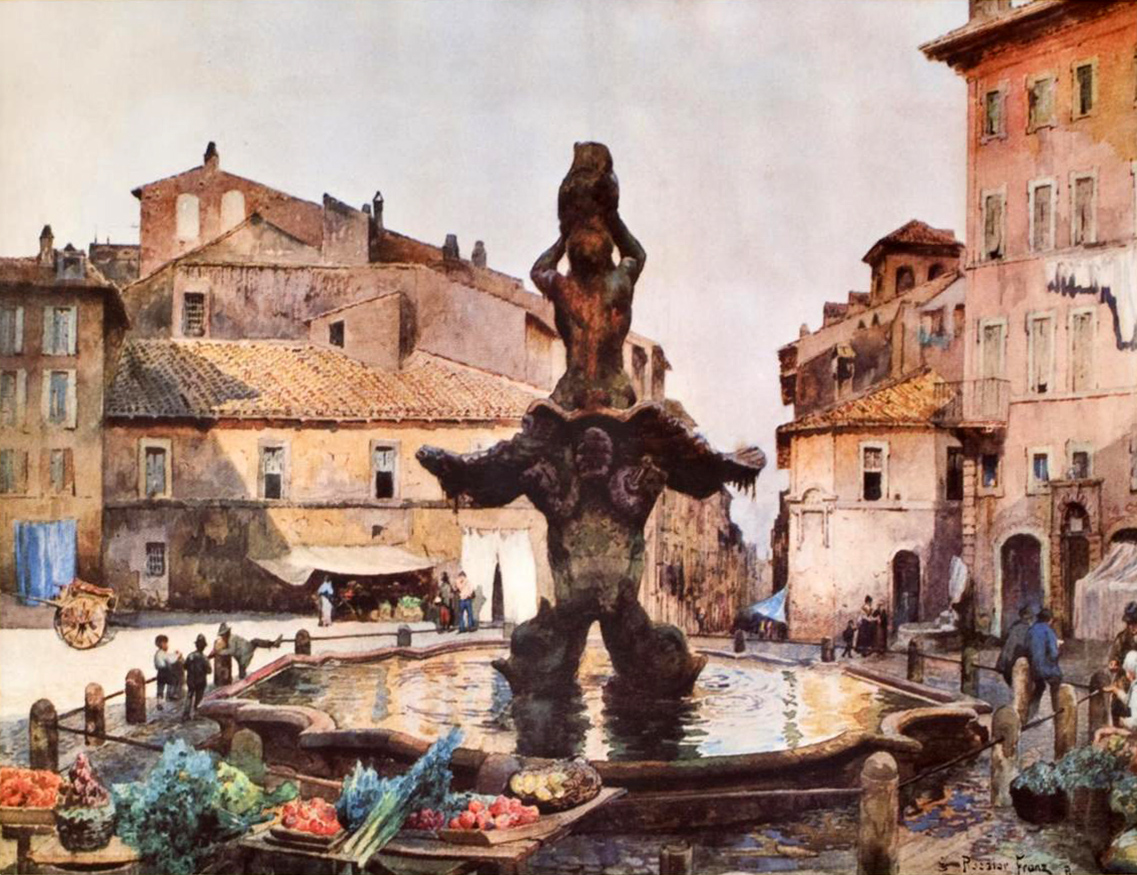
Piazza Barberini
A busy Roman square famous for two Bernini fountains: the Triton Fountain and the Fontana delle Api (Fountain of the Bees).
Mouth of Truth (Bocca della Verità)
An ancient marble mask, famously believed to bite off the hand of liars, attracting visitors to test their honesty.
Testaccio Market
A vibrant indoor market offering a wide array of fresh produce, meats, cheeses, and delicious Roman street food from various vendors.

MAXXI - National Museum of 21st Century Arts
A contemporary art and architecture museum designed by Zaha Hadid, featuring modern and experimental exhibitions in a striking building.

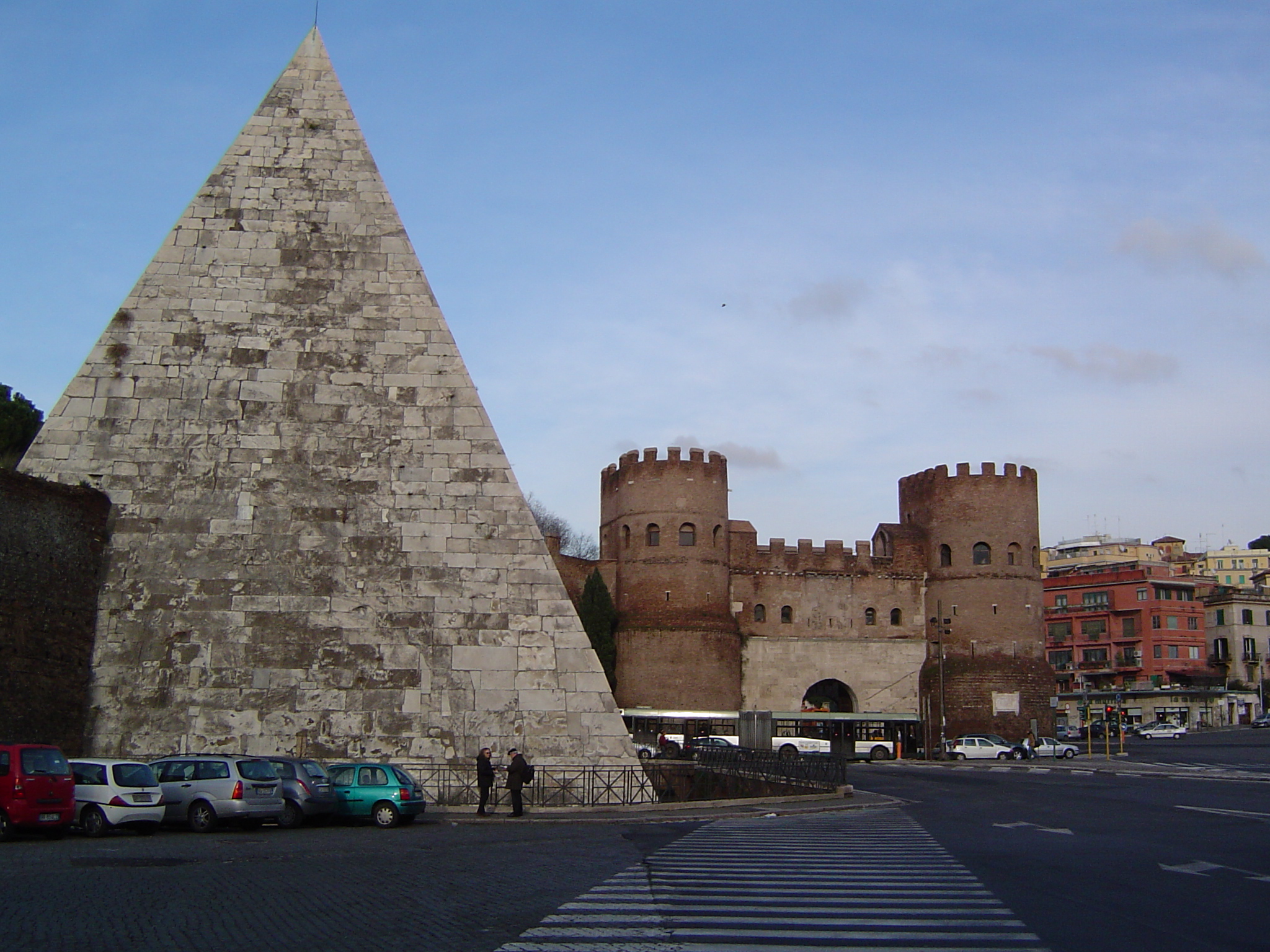
Pyramid of Cestius
An ancient Egyptian-style pyramid built as a tomb for Gaius Cestius, offering a unique and unexpected sight in Rome.
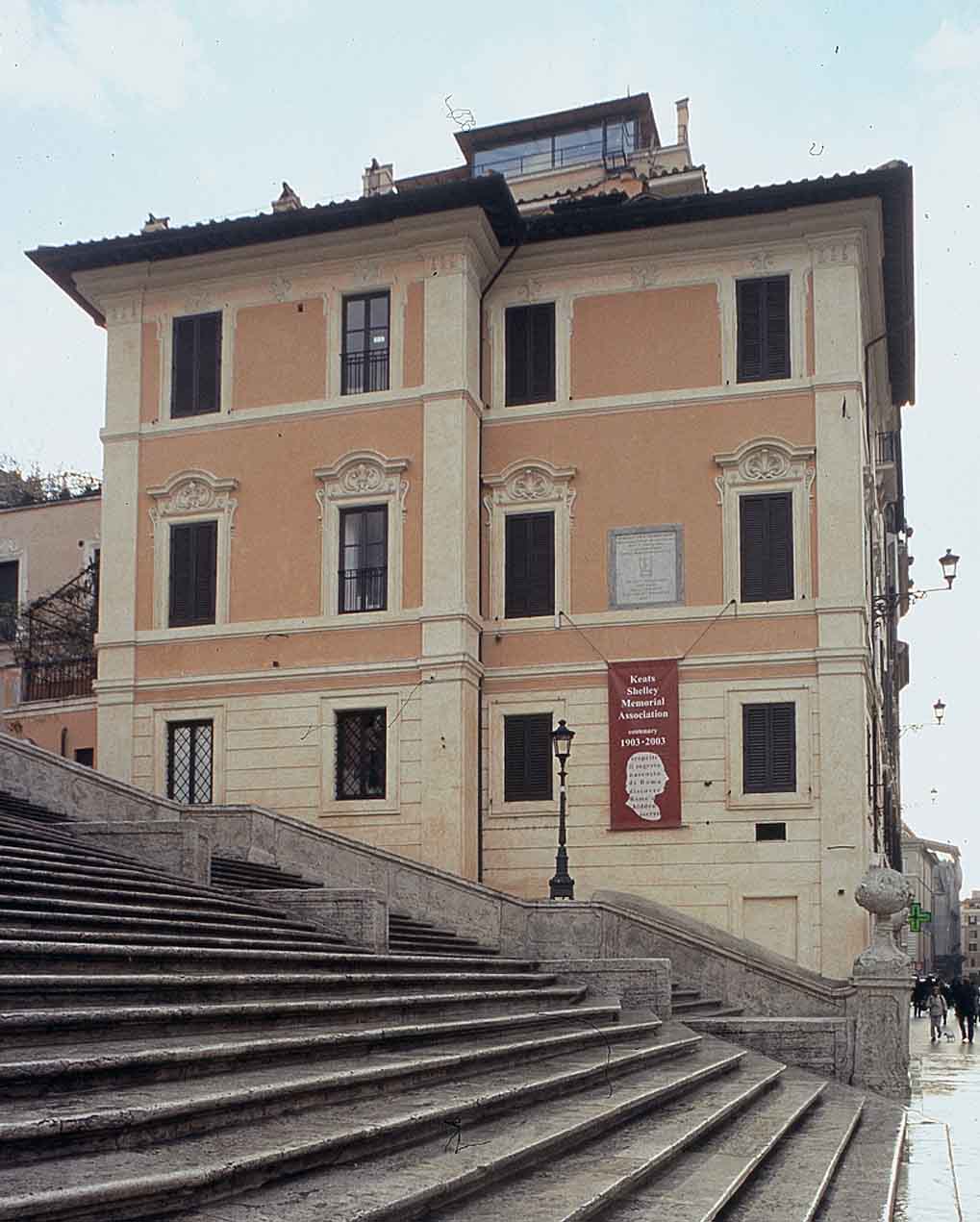
Keats-Shelley House
A museum and memorial to the Romantic poets John Keats and Percy Bysshe Shelley, located by the Spanish Steps, offering literary insights.
Doria Pamphilj Gallery
A stunning private collection of art housed in a historic palace, featuring works by Bernini, Caravaggio, Velázquez, and more.

Cinquecento
A busy square outside Termini Station, named for the 'five hundred' Italian soldiers who died at the Battle of Dogali, featuring an obelisk.

Via Margutta
A charming street known for its art galleries, workshops, and high-end boutiques, exuding a bohemian atmosphere popular with artists.
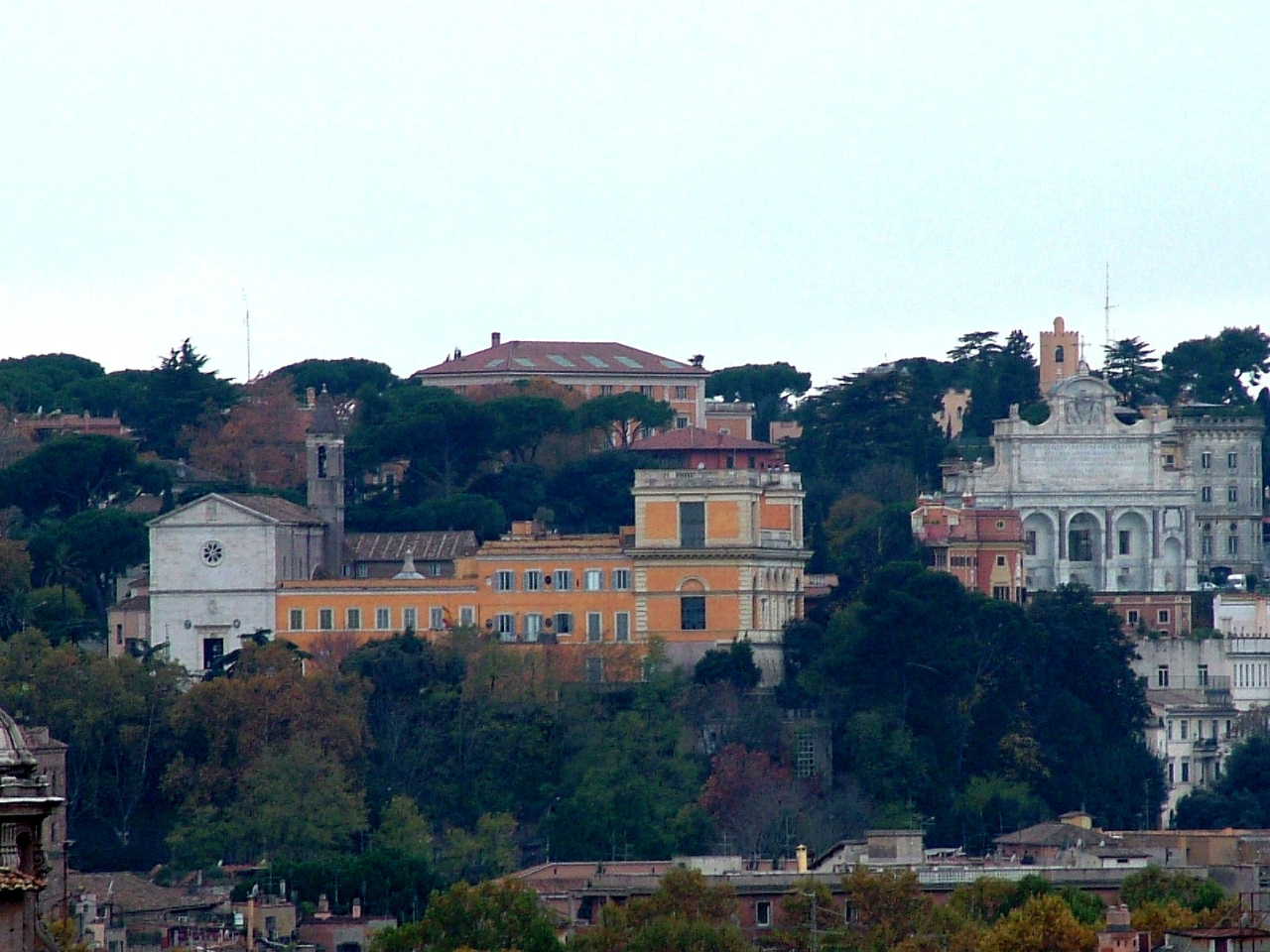
Gianicolo Hill (Janiculum)
Offers one of the most spectacular panoramic views of Rome, especially at sunset, and is home to the Garibaldi Monument.

Villa Farnesina
A beautiful Renaissance villa famed for its frescoes by Raphael and other major artists, a masterpiece of Italian art and architecture.

Galleria Sciarra
A stunning Art Nouveau covered courtyard, richly decorated with allegorical frescoes celebrating feminine virtues and daily life scenes.

Church of San Luigi dei Francesi
Famous for housing three masterpieces by Caravaggio depicting the life of Saint Matthew, a must-see for art lovers.

Chiesa del Gesù
The mother church of the Society of Jesus, a prime example of Baroque architecture with an opulent interior.

Piazza Venezia
A central hub dominated by the Monument to Victor Emmanuel II, offering panoramic views of Rome.

Trajan's Column
An ancient Roman triumphal column commemorating Emperor Trajan's victory in the Dacian Wars, featuring a continuous spiral bas-relief.

Quirinal Palace
One of the three current official residences of the President of the Italian Republic, offering guided tours of its historic rooms and gardens.

Crypt of the Capuchins
A macabre yet fascinating crypt adorned with the bones of 4,000 Capuchin friars, offering a unique reflection on mortality.
Basilica di San Clemente al Laterano
A unique archaeological site showcasing layers of Rome's history, with a basilica built upon earlier churches and Roman houses.
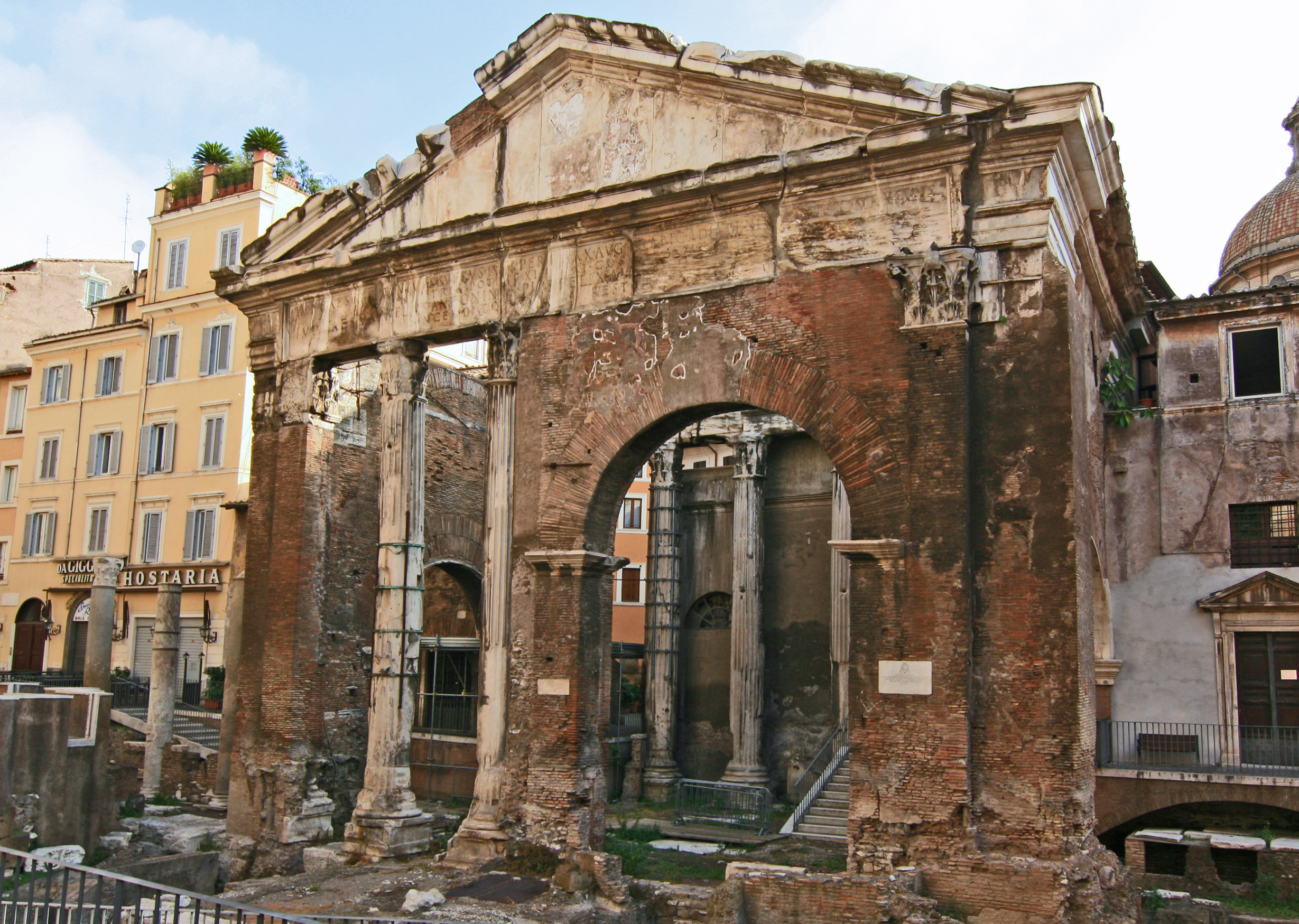
Portico d'Ottavia
An ancient Roman structure in the Roman Ghetto, once enclosing temples and the Jewish quarter.
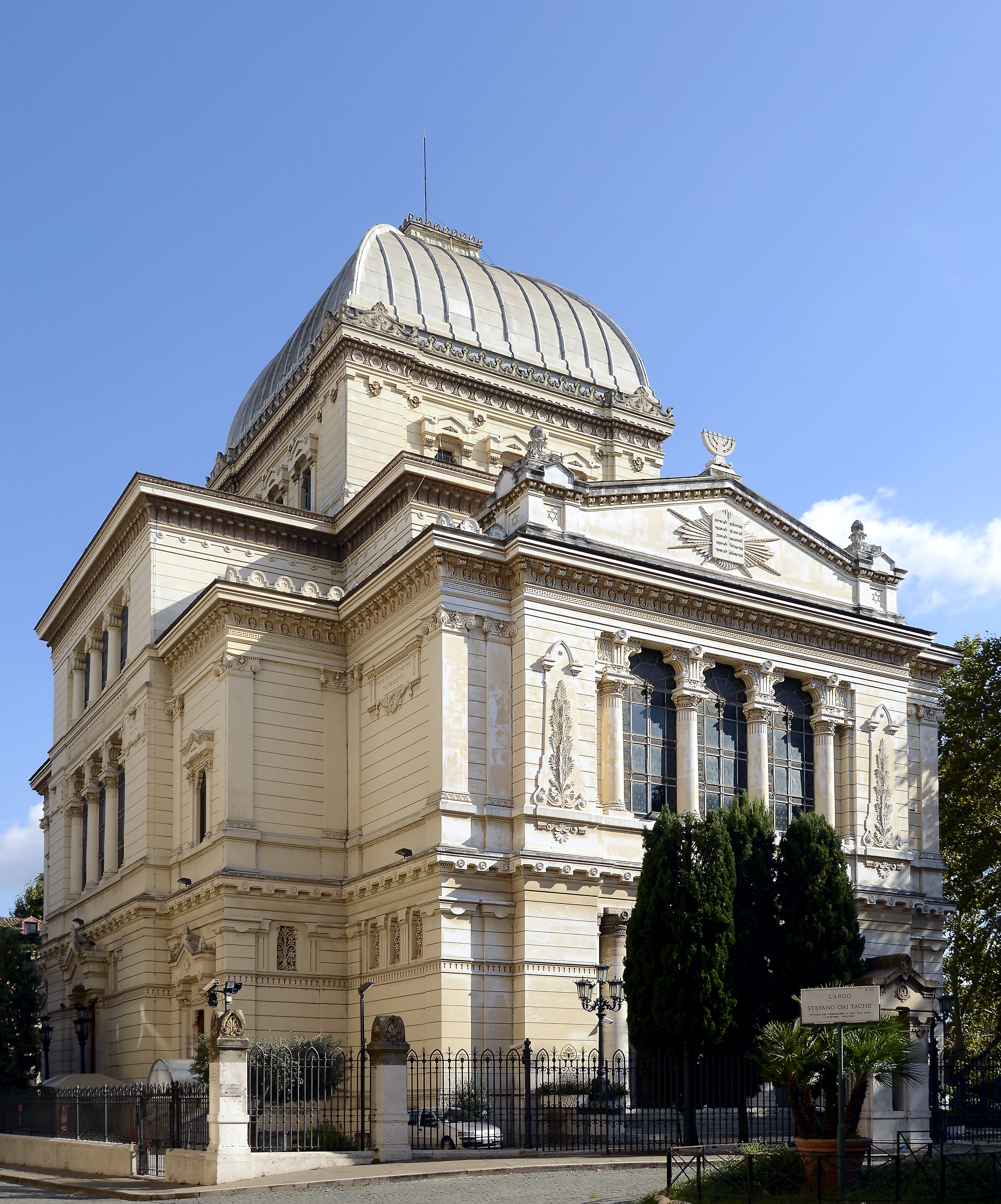
Tempio Maggiore di Roma (Great Synagogue of Rome)
The largest synagogue in Rome and a significant landmark in the Jewish Quarter, featuring a distinctive square dome.

Galleria Colonna
A private art gallery within Palazzo Colonna, boasting an impressive collection of Baroque art and stunning frescoes.
Museo Nazionale Romano, Palazzo Altemps
Houses an exquisite collection of classical sculptures, showcasing Roman and Greek masterpieces in a Renaissance palace.
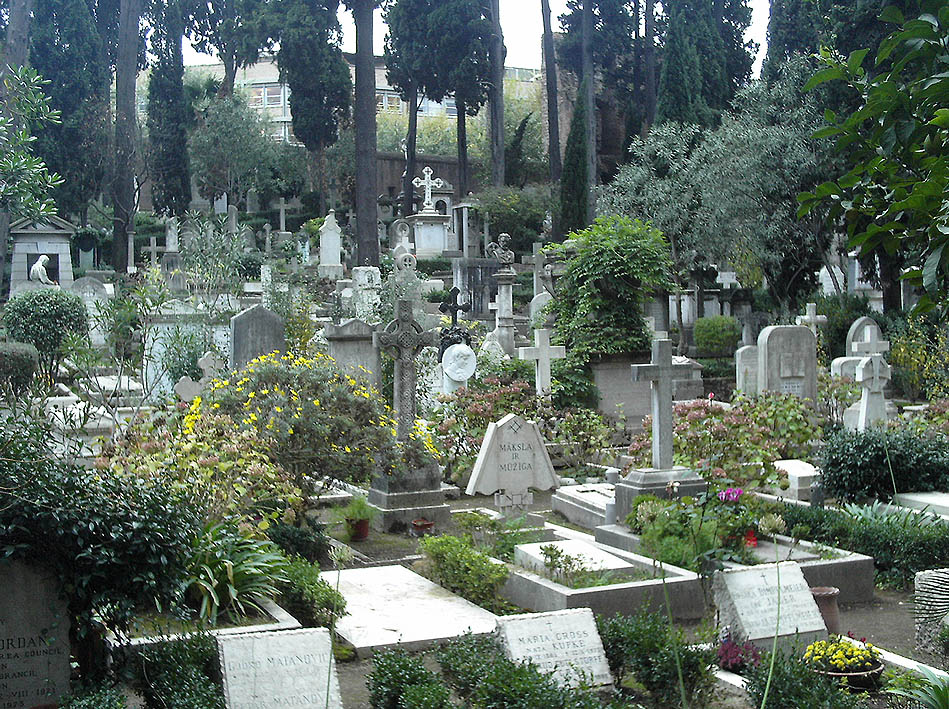
Cimitero Acattolico di Roma (Non-Catholic Cemetery)
A serene and beautiful cemetery where poets like Keats and Shelley are buried, featuring lush greenery and unique gravestones.

Basilica Papale di San Paolo fuori le Mura
One of Rome's four major basilicas, housing the tomb of Saint Paul and known for its majestic interior and beautiful cloister.

Parco degli Acquedotti
A vast archaeological park featuring impressive remains of ancient Roman aqueducts, perfect for walks and admiring engineering marvels.

Basilica di Santa Maria degli Angeli e dei Martiri
A church built within the frigidarium of the Baths of Diocletian by Michelangelo, featuring a sundial and impressive architecture.
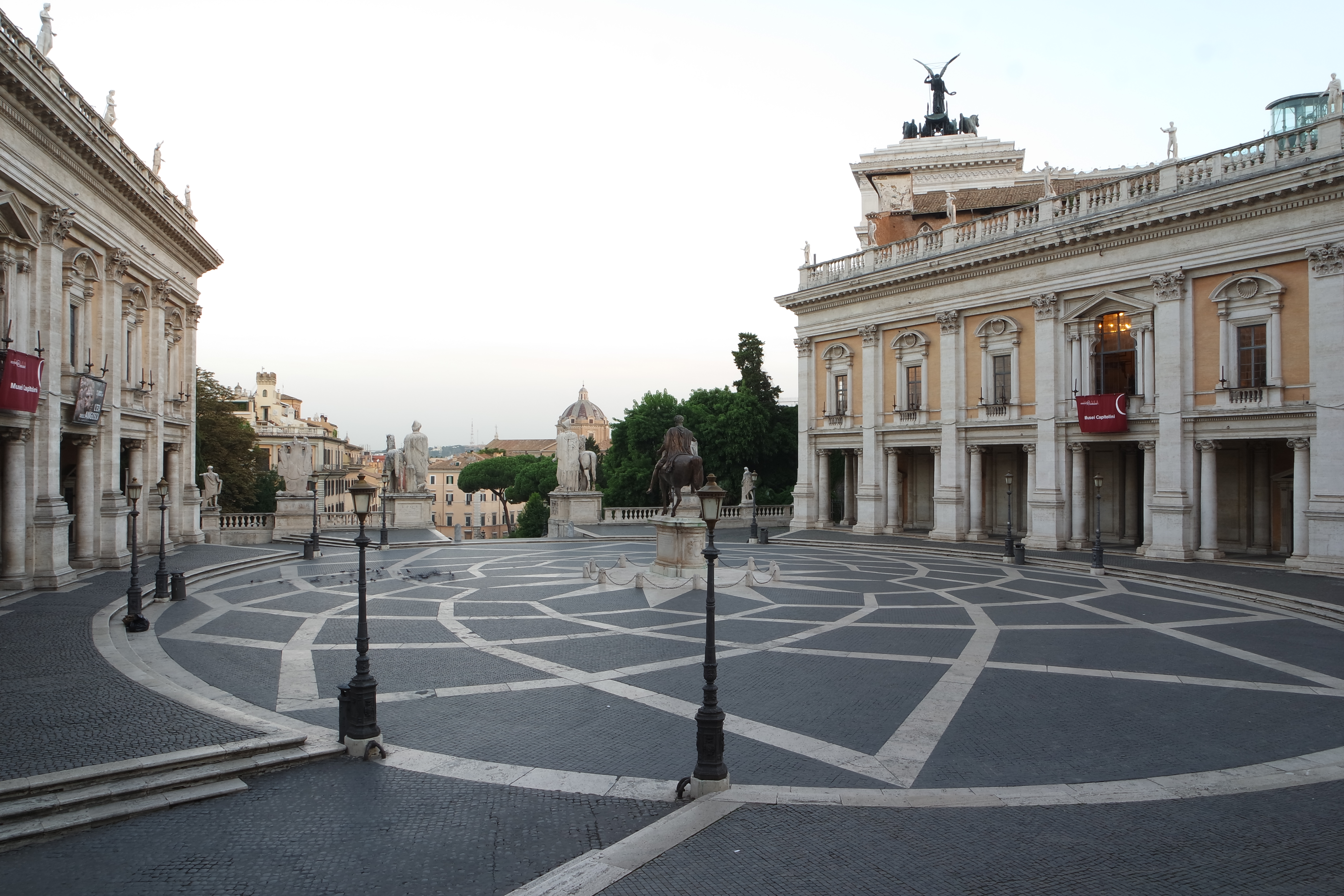
Piazza del Campidoglio
A historic square designed by Michelangelo, featuring stunning architecture and home to the Capitoline Museums.
Quirinal Hill
The highest of Rome's seven hills, offering panoramic views and home to the official residence of the President of the Italian Republic.

Palazzo Doria Pamphilj
A private palace housing an extensive art collection, including masterpieces by Bernini, Caravaggio, and Velázquez.

Basilica di Santa Maria Sopra Minerva
A Gothic church built on the ruins of an ancient Roman temple, known for its incredible art and the tomb of Saint Catherine of Siena.

Terme di Diocleziano
The largest ancient Roman public baths, now housing a section of the National Roman Museum with impressive archaeological finds.

Santa Maria della Concezione dei Cappuccini
Known for its macabre yet fascinating crypt adorned with the bones of 4,000 Capuchin friars, offering a unique reflection on mortality.
Piazza Borghese
A charming square near the Mausoleum of Augustus, often hosting antique book markets and surrounded by elegant palaces.
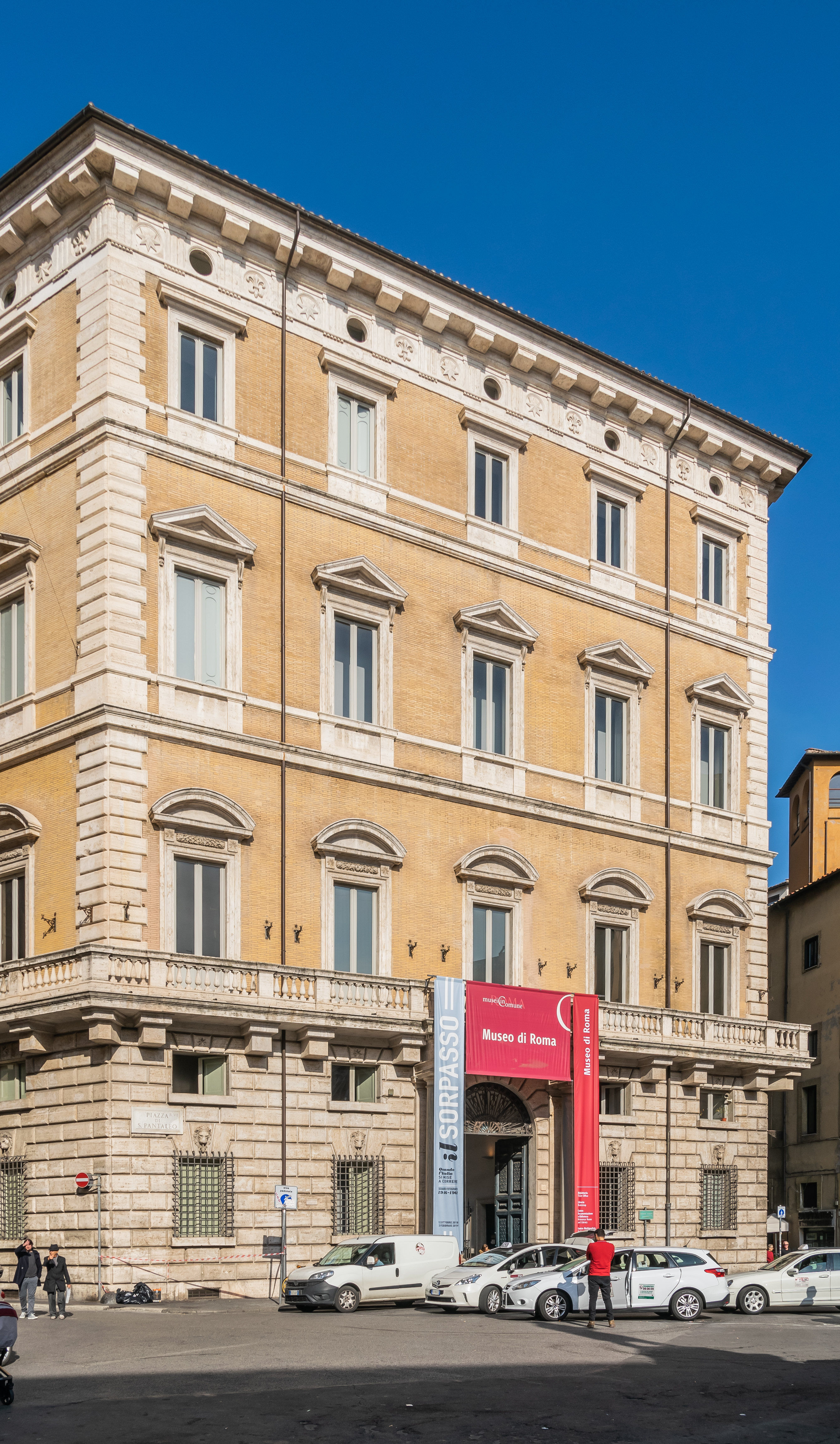
Museo di Roma Palazzo Braschi
Features collections that trace the history of Rome from the Middle Ages to the early 20th century, located in a neoclassical palace.

Largo di Torre Argentina
An archaeological site housing the ruins of four Roman temples and the remains of Pompey's Curia, famous for its cat sanctuary.
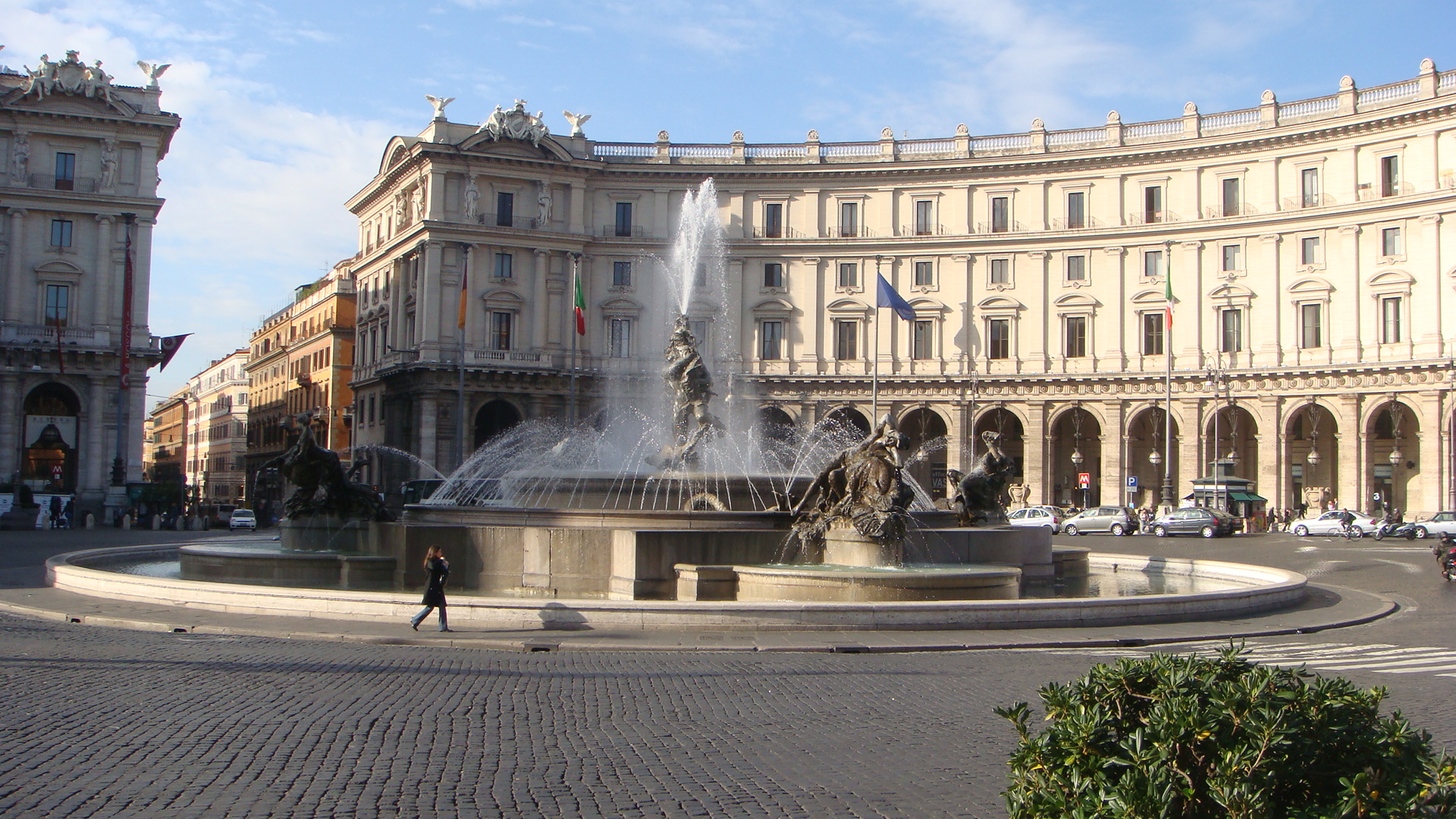
Piazza della Repubblica
A grand semicircular piazza featuring the Fountain of the Naiads and surrounding historic buildings, including the Basilica of Santa Maria degli Angeli e dei Martiri.
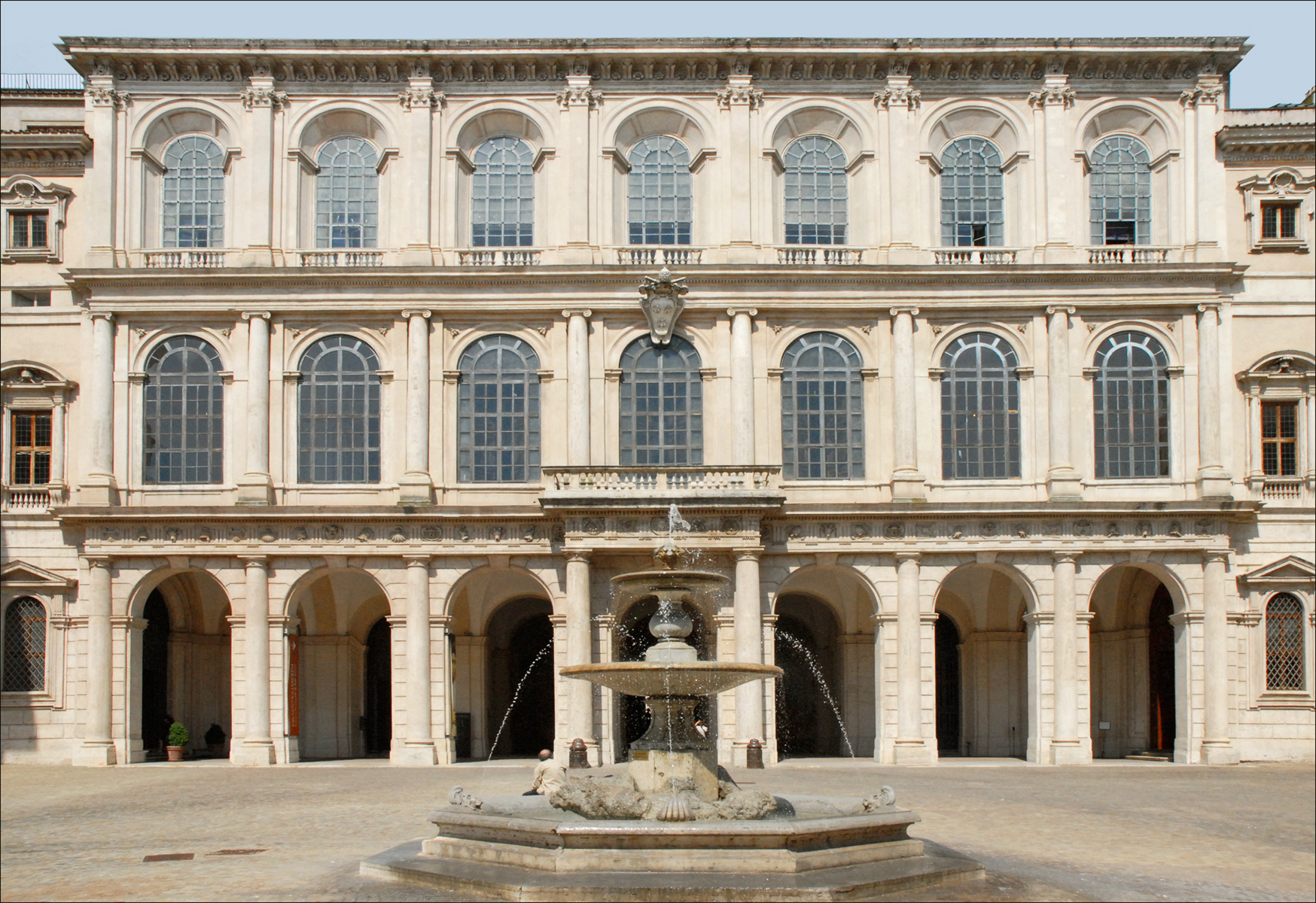
Palazzo Barberini - Galleria Nazionale d'Arte Antica
Houses one of the most important art collections in Italy, including masterpieces by Raphael, Caravaggio, and Holbein.

Via del Corso
A bustling central street in Rome, known for its shops, restaurants, and historic buildings leading to many major attractions.
Vicolo del Cinque
A charming and lively alley in Trastevere, famous for its traditional restaurants, trattorias, and vibrant evening atmosphere.
%22%2F%3E%0A%20%20%20%20%20%20%3Cstop%20offset%3D%22100%25%22%20stop-color%3D%22rgba(0%2C0%2C0%2C0)%22%2F%3E%0A%20%20%20%20%3C%2FradialGradient%3E%0A%20%20%3C%2Fdefs%3E%0A%20%20%3Crect%20width%3D%22800%22%20height%3D%22500%22%20fill%3D%22url(%23g)%22%2F%3E%0A%20%20%3Crect%20width%3D%22800%22%20height%3D%22500%22%20fill%3D%22url(%23glow)%22%2F%3E%0A%3C%2Fsvg%3E)
Monte Palatino - Orti Farnesiani
The Farnese Gardens on the Palatine Hill offer stunning views of the Roman Forum and a beautiful example of Renaissance garden design.

Porta Portese Market
Rome's most famous and largest flee market, held every Sunday, offering everything from antiques to clothing and souvenirs.
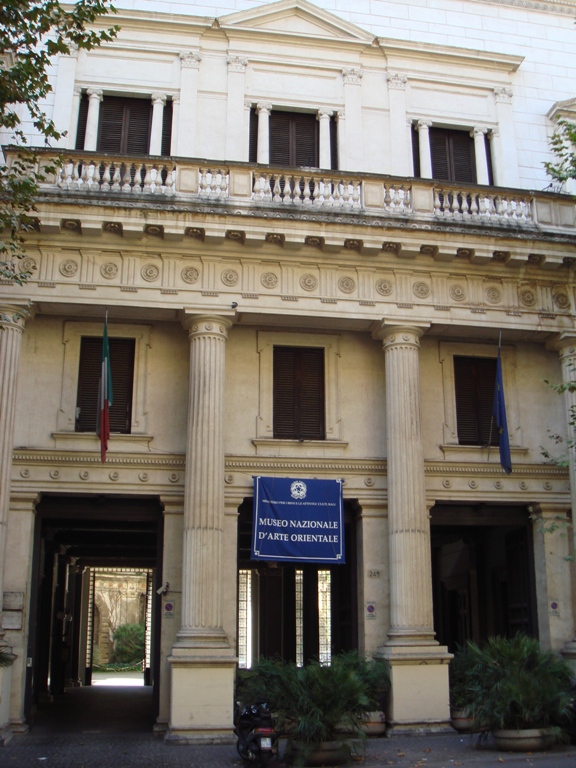
National Museum of Oriental Art
Features art and archaeological artifacts from the Near and Far East, offering a fascinating glimpse into diverse cultures.
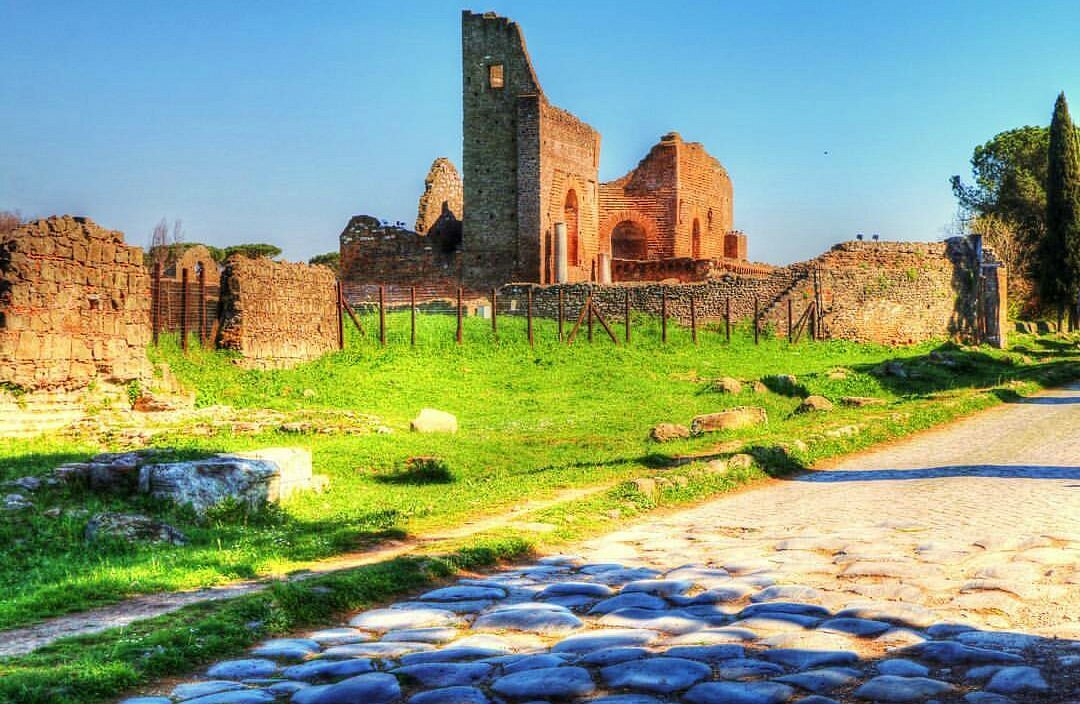
Parco Regionale dell Appia Antica
A vast archaeological park encompassing ancient Roman roads, catacombs, and monuments, perfect for cycling and walking.
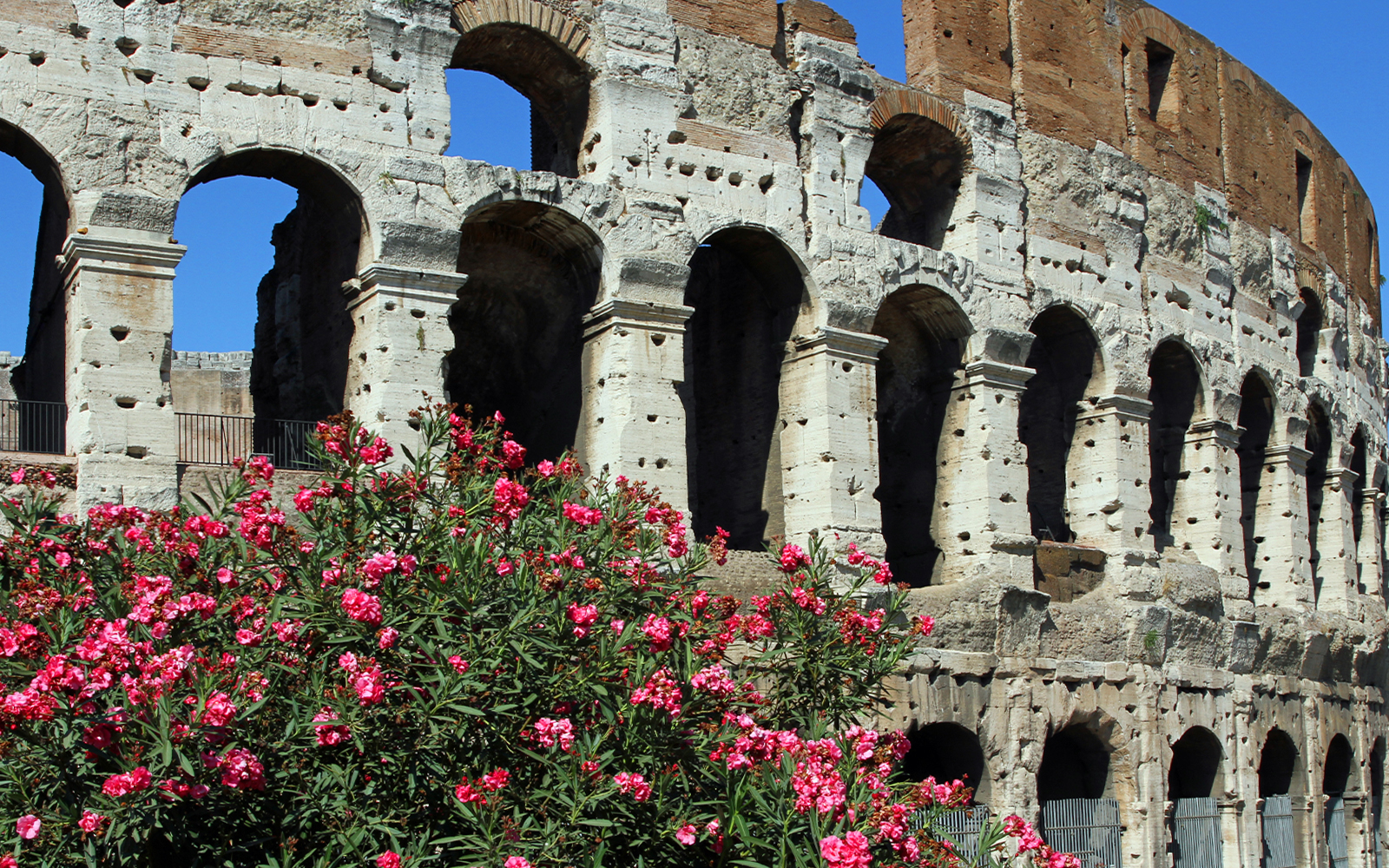
Colosseum
An iconic ancient Roman amphitheater, the largest ever built, used for gladiator contests and public spectacles.
Sources & inspiration
Original social media posts shared for this destination.
Loading sources…
Community photos
Photos shared by travelers who visited Rome.